
Peptide supplements contain short chains of amino acids designed to mimic or support natural signaling molecules in the body. Depending on the type, they may stimulate processes such as collagen production, hormone release, tissue repair, or immune function. For example, some peptides are marketed to boost growth hormone levels for muscle development and recovery, while others aim to improve skin elasticity and reduce visible signs of aging by encouraging collagen synthesis. Because peptides act as biological messengers, they can influence specific functions rather than providing general nutrition like protein powders do.
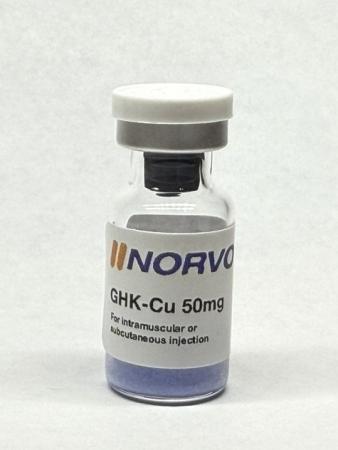
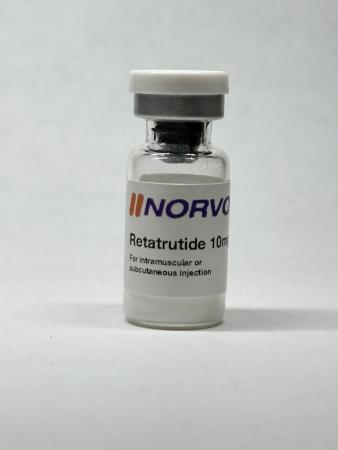
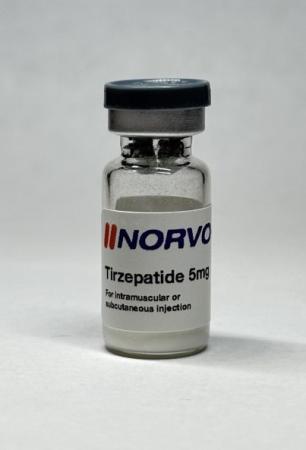
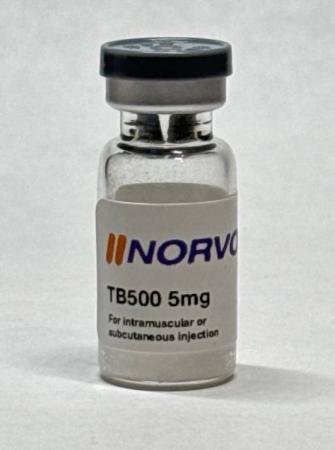
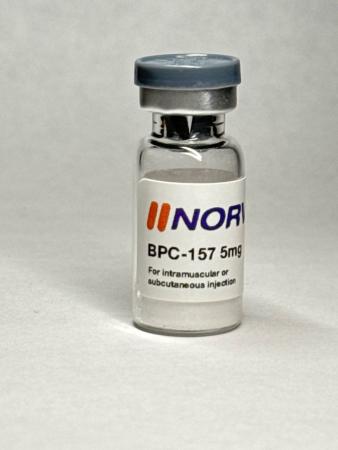
What are peptide supplements?
Peptide supplements are products containing short chains of amino acids designed to support specific functions in the body, such as muscle growth, skin health, hormone balance, or recovery.
How do peptide supplements work?
They act as signaling molecules that tell cells to perform certain actions, such as producing more collagen, releasing growth hormone, or regulating blood sugar.
Are peptide supplements the same as protein supplements?
No. Protein supplements provide large amounts of amino acids for general nutrition, while peptides are targeted molecules meant to influence specific biological processes.
What are peptide supplements commonly used for?
They are often used for muscle building, fat loss, anti-aging, improved recovery, enhanced skin appearance, and hormone support.
Are peptide supplements safe?
Safety depends on the specific peptide and dosage. Some are FDA-approved prescription medications, while others sold online may not be well-regulated.
Do peptide supplements help with weight loss?
Some peptides may influence appetite, metabolism, or insulin sensitivity, but effectiveness varies and medical supervision is recommended.
Can peptide supplements increase muscle growth?
Certain peptides are marketed to stimulate growth hormone release, which may support muscle development and recovery when combined with proper training and nutrition.
How are peptide supplements taken?
They may come as oral capsules, topical creams, nasal sprays, or injectable forms. Injectable peptides should only be used under medical supervision.
Should I talk to a doctor before using peptide supplements?
Yes. Because peptides can affect hormones and other biological systems, it’s important to consult a healthcare professional before starting them.